

 Ready Together
“For me personally, after the attack that I experienced, I actually felt that recognition and remembrance were incredibly integral to my own recovery. We went to Westminster Bridge on the first anniversary after the attack and saw that the bridge was open and people were going by as they pleased. There was nowhere for us to reflect on what had happened, which had a real impact on me psychologically.
It was the same for many others who were affected too. That's why I think it's really important that we ensure that these attacks are remembered – and that we include those affected in those discussions. Not just for the victims of these incidents who need to see that what they've experienced is recognised and remembered, but in terms of how we look forward to the future.”
Commemorating disasters and emergencies
News and blogsCommemoration and memorials play an important role in how we recognise and remember those affected by UK emergencies.
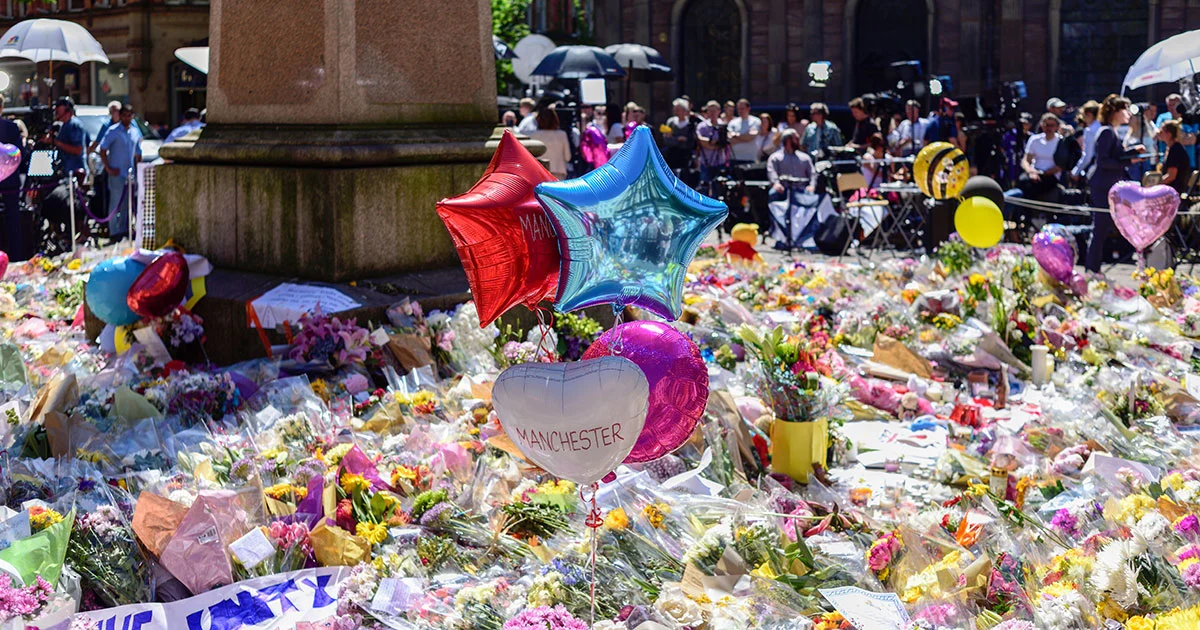
Commemoration is the act of remembering officially and giving respect to a person or an event, especially by a public ceremony or making a statue or special building (Cambridge Dictionary Definition).
Commemorating those affected by disasters, whether terror attacks, natural catastrophes or tragic accidents can be really significant for those affected by them and for society as a whole. It’s a way to remember and honour those who lost their lives, or whose lives were affected, directly or indirectly. Marking the events together can help to educate, heal and build resilience.
Learning from those with lived experience of disasters, we know that commemoration can play a key role in their long-term recovery. Public acknowledgement and remembrance can help to validate feelings of grief, pain and loss that individuals and communities may be experiencing. They can create valuable moments of reflection and encourage a sense of togetherness.
But everyone’s experience is different, and for some commemorative events can also be a difficult time, re-triggering past trauma. This is why it’s so important to organise commemorative events sensitively and with the guidance of those affected by them.
What role do Memorials play in commemoration?
One form of commemoration is through the construction of physical memorials or monuments, these are ‘built to honour a famous person or event’ (Cambridge Dictionary Definition). Memorials can take many forms, from physical landmarks such as plaques, statues and sculptures to living creations such as memorial gardens. They can provide a place for individuals or groups to reflect and remember.
When planning a memorial, it is vital to encompass the opinions and ideas of those affected, which means physical memorials can take many forms. The 7 July Memorial, for instance, is a permanent Memorial to the 52 victims of bombings in London on 7 July 2005. It’s located in Hyde Park, London and consists of 52 stainless steel columns, grouped in four clusters that reflect the four locations of the bombings.
The National Covid Memorial Wall in London is a visual representation of those who lost their lives to the Covid-19 pandemic and was created by bereaved families, for bereaved families. It was established in 2021 and is now maintained by a small group of volunteers known as ‘The Friends of the Wall’.
The Wall runs for 500 metres alongside the River Thames, directly opposite the Houses of Parliament, and consists of more than 240,000 individually hand-painted red hearts, each representing a person who died in the UK with Covid-19 as a direct cause of death. Many of the hearts have been personalised with individual messages.
Physical memorials offer a year-round place of reflection and remembrance and often provide a gathering point for people to remember what happened together on the anniversaries of disasters.
What are national days of remembrance?
National days of remembrance provide another form of commemoration, enabling the entire country to come together in solidarity. For example, Remembrance Sunday, which originated as a commemoration of those who died in the World Wars, has evolved to honour all who have lost their lives in conflict. This day sees the nation observing a two-minute silence, with wreath-laying ceremonies taking place across the UK.
More recently, in response to the Covid-19 pandemic, a National Day of Reflection was established by the charity Marie Curie in 2021 to remember the lives lost to the virus and show support for those affected. Each year on 23rd March, a nationwide minute's silence is observed, and buildings are lit up in yellow - a symbol of hope and remembrance.
The Survivors Against Terror’s Survivors’ Charter proposes a ‘National Day of Remembrance and Tribute to Survivors of Terrorism’, as well as a permanent physical monument as those affected are often targeted as a proxy for the state. Conversations about this potential commemoration are ongoing.
Social media can also play a valuable role in commemoration during national days of remembrance and on the anniversaries of UK disasters. It can offer a way for people to share stories, memories and messages of support, from wherever they are in the world.
The voices of those affected are vital to commemoration
The voices of those affected by disasters can play a vital role when planning how to commemorate an incident. They can ensure that plans are compassionate, considered and inclusive of everyone’s needs and ideas.
The Grenfell Tower Memorial Commission, set up in 2019, is a good example of this. Co-chaired by National Emergencies Trust Trustee, Thelma Stober, its role is to decide on the most fitting memorial to remember all those who tragically lost their lives in the fire on 14 June 2017. It is made up of representatives of the bereaved, survivors and local residents, ensuring that the community is at the heart of the decision-making process.
Travis Frain, who survived the Westminster Bridge terror attack in 2017, and who is a member of the National Emergencies Trust’s Survivors Advisory Forum, speaks passionately about his own experience of commemoration.
The UK’s approach to commemorating disasters and emergencies is multi-faceted, from public memorials and vigils to national days of remembrance. Whatever form that commemoration takes, increasingly the needs and ideas of those affected by the incidents are being placed at the centre of the planning process, and this is a very welcome and important development.
Commemoration efforts ensure that the memories of those lost and affected are preserved, the voices of survivors are heard, and that we can encourage a more compassionate, united and resilient society in the face of future disasters.