

 Ready Together
The impact of flooding on mental health
News and blogsZena joined us on work experience and wrote this insightful blog on flooding and mental health.
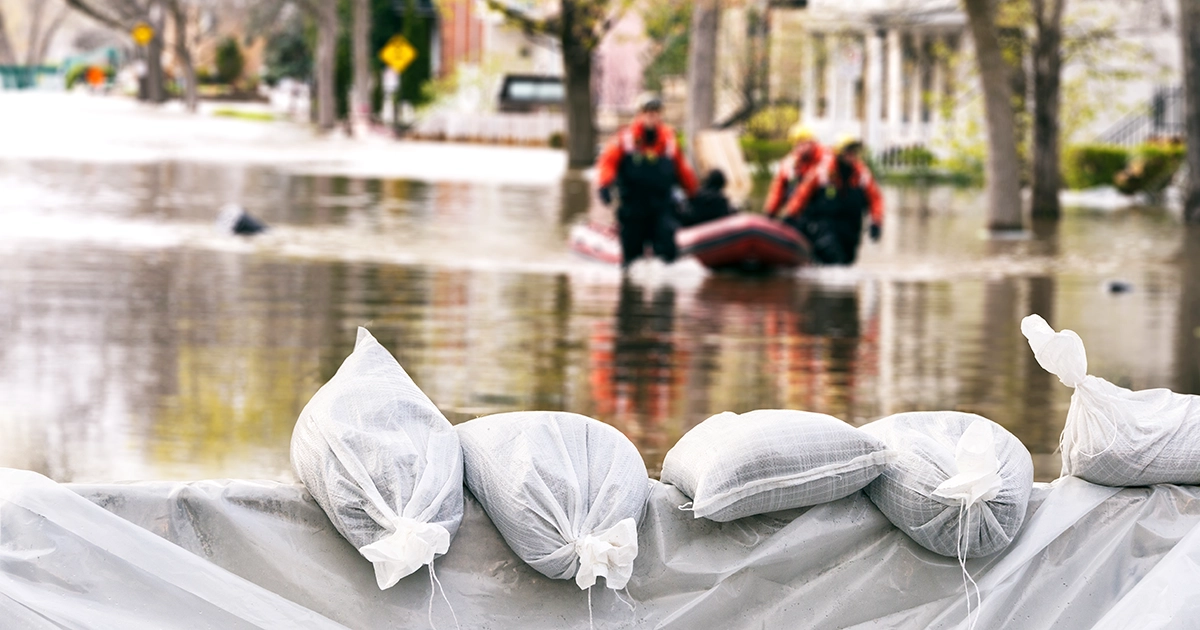
My name is Zena and I have just finished a week of work experience with the National Emergencies Trust. I have just completed my first year of A levels and once I have finished my second year, I am hoping to go on to study Psychology at university. During my work experience with the Trust, I have been especially interested in learning about the psychological impacts of disasters. To pursue this interest, I have been researching the impact of flooding on people's mental health.
Flooding is the most common natural disaster in the UK and is becoming more frequent. Climate change is increasing the frequency and severity of storms, which cause storms surges in coastal areas such as Cornwall and the East coast, and rivers burst their banks due to tidal surges or intense and sudden precipitation in areas such as Rochester in Kent. The growing population is increasing the demand for housing and driving urbanisation. This increases surface run-off, due to the lack of permeable surfaces available, and building on floodplains which are areas heavily at risk of flooding. Unsustainable farming practices such as the removal of hedgerows, drainage of peat bogs and destruction of salt marshes are also activities that reduce our resilience to flooding and make disasters more likely and their impacts more severe. Now, over 5.2 million homes in England or 1 in six properties are at risk of flooding (PDF, 1.6MB). (opens in a new tab)
One of the most notable impacts a flood can have on people is the loss of loved ones. Bereavement can be devastating for people and many often need long-term specialist support as they navigate a new normal. People can lose their homes and possessions which also causes grief, displacement can result in the loss of community cohesion which can increase the feeling of isolation and loneliness, especially for elderly people who may not have access to technology to communicate with their friends or family. Floods can often cause sewage and chemical leaks which can result in illness, distress and can be difficult to clean up.
There are many secondary stressors (opens in a new tab) that come with floods such as physical and mental health concerns like access to prescriptions, loss of educational facilities and economic stressors such as insurance claims and loss of employment. These added stresses make recovery from floods even more difficult for people and increase their risk of developing mental health issues such as anxiety and depression in the months after the event. However, once the immediate aftermath has been managed, the long-term psychological impacts can often be forgotten. It is important to understand these long-term impacts to improve community resilience and ensure people are offered the appropriate support following a flood.
Sudden evacuation and displacement can increase flood survivors’ risk of developing anxiety, depression, PTSD, and can also exacerbate pre-existing mental health conditions. This is especially prevalent for people who have experienced reoccurring floods (PDF, 669KB) (opens in a new tab). Research from the University of York and the Centre For Mental Health found that people who are affected by flooding in the UK are nine times more likely to experience long-term mental health conditions than the general population, with PTSD the most common condition (opens in a new tab). Many people who have experienced flooding live in fear of the event reoccurring. Everyday occurrences such as rain can become triggers and cause extreme anxiety.
So, it is important that we consider all the effects of floods so that we can offer people the right support immediately after the event and in the following months and years. We can help people who are affected by floods by donating funds to charities such as the National Emergencies Trust, or volunteering, especially at the time of an appeal.
If we know people who have been affected by a flood, it is important to check in with them regularly in the following months as some effects such as PTSD have a delayed onset. Hopefully, by raising awareness and understanding about the psychological impacts of floods, victims of future events will be offered the right support, helping prevent them from developing conditions such as anxiety, depression and PTSD.
A big thank you to Zena for contributing this blog post and doing such a great job during her week’s work experience!