
 Ready Together
Life after disasters: reflections on recovery and resilience
News and blogsRead key takeaways from our recent event bringing together reflections on recovery and resilience in the aftermath of disasters.
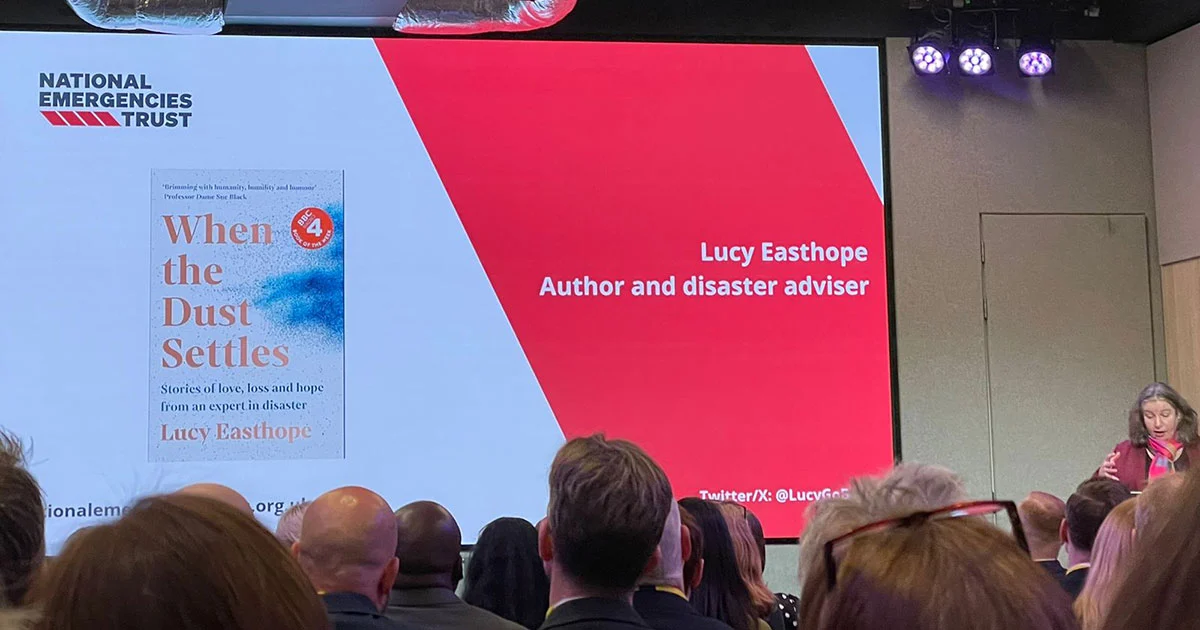
We recently held an event together with Sunday-Times best-selling author and disaster adviser, Lucy Easthope and Patron Partner, NatWest Group, bringing together first-hand accounts of emergency survivors and reflections from those in the disaster response sector on life in the aftermath of disasters.
Flood survivor and flood recovery expert Heather Shepherd, 7/7 London bombings survivor and one of our incredible Trustees, Thelma Stober, Westminster Bridge attack survivor Travis Frain, and Dr Cath Hill who survived the Manchester Arena attack along with her son shared their lived experiences of disasters.
Survivors face unseen challenges
Their stories emphasised the long-term, unseen challenges faced by survivors and the broader implications on their lives and families in the aftermath of disasters.
Heather shared that the fear of being constantly at risk of flooding never goes away, which means rainy weather and storms can be re-traumatising. The impact extends more widely to family members too. For Heather, it was dealing with the consequences on her son’s education as flood waters destroyed his GSCE coursework.
Lucy Easthope who explores her 22 years’ experience of disasters in her book When The Dust Settles, suggested that the way society responds to a disaster can cause unseen harms too, in addition to the disaster itself. Often, as media interest in emergencies wanes, the pain increases for those affected.
Both Travis and Dr Cath Hill reiterated this when they spoke about the many survivors of terrorism who feel like they fall through the gaps of a system that isn’t joined up, and often doesn’t appear to be listening. Thelma pointed to the lack of information available for survivors, resulting in many seeking out support themselves and frequently retelling their stories to multiple bodies.
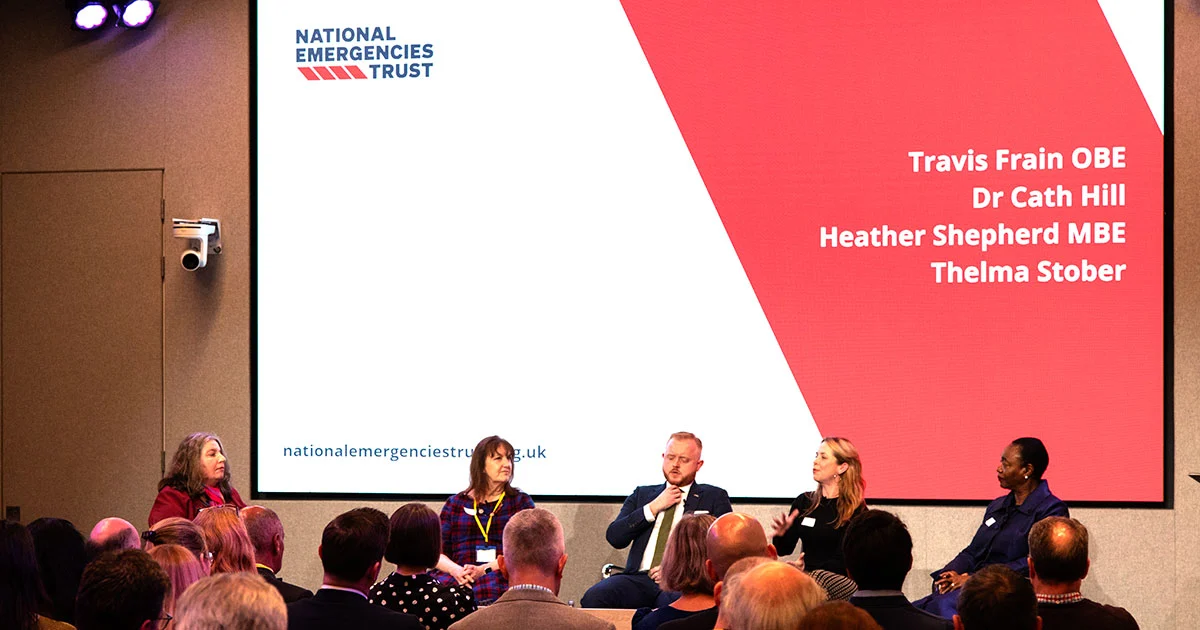
An esteemed line-up of event panellists included National Preparedness Commission Chair Lord Toby Harris, philanthropist and businessman Sir Ken Olisa, NatWest Group’s Head of Climate, James Close and Professor of Psychology at Nottingham Trent University, Dr Rowena Hill. They offered their perspectives on how we can offer those affected more support in the aftermath of disasters.
Dr Rowena Hill stressed the need for cohesion in current systems and a focus on survivors’ needs’ at the heart of policy development. Similarly, James Close remarked that now is the time to act, to be more cohesive and plan together in the face of challenges like climate change.
Sometimes change comes from the ground up. Sir Ken Olisa spoke of the power of grassroots and small organisations convening to drive change. Collaboration and cohesion can help create resilient communities in the face of adversity, as was seen in response to the Grenfell Tower Fire. It was the smaller, community-led organisations who made a real difference, with the help of funding.
Lastly, Lord Toby Harris reflected that learning from survivors’ experiences is key. This means investing in preventative measures to ensure the future safety of people and not asking them to repeat their stories time and again. Disasters affect individuals in different ways and therefore our response cannot be a ‘one size fits all’.
The event provided a platform for meaningful discussion about how we can collectively, better respond to the challenges faced in the aftermath of disasters. The reflections and insights shared are vital in helping to shape a more compassionate response to emergencies, whilst recognising the many impacts that surface long after the news cameras have disappeared.
Find out more about how you can support the ongoing work of the Trust to help improve the lives of those affected by disasters in the UK.