
 Ready Together
London Funders Festival: how to be a fair funder
News and blogsOver the last two weeks we attended the London Funder’s Festival of Learning, a series of virtual sessions led by funders and civic organisations.
By Helen Killingley and Philee Ang-Chen
Over the last two weeks we attended the London Funder’s Festival of Learning, a series of virtual sessions led by funders and civic organisations on themes such as collaboration, community, equity, place and process. This week we’re reflecting on what we took away from a fascinating two weeks...
Throughout the event, we had the opportunity to learn from the wider sector and other funders in London about equitable grant-giving and sharing best practice, as well as what more we, as a national funding organisation, can do to support all communities in the UK in the longer term.
Across the fortnight, we attended some thought-provoking sessions on designing monitoring and evaluation frameworks, how funders can address the impacts of climate change, the DEI Data Standard and more. Here are some of our key takeaways:
- Accessible and proportionate evaluation: Meaningful grants monitoring and evaluation frameworks that are not too burdensome, especially on smaller charities, ensures accessibility and enables funds to reach those most impacted in a timely and efficient way. This is especially critical during emergencies where the priority must be making an impact, not measuring that impact.
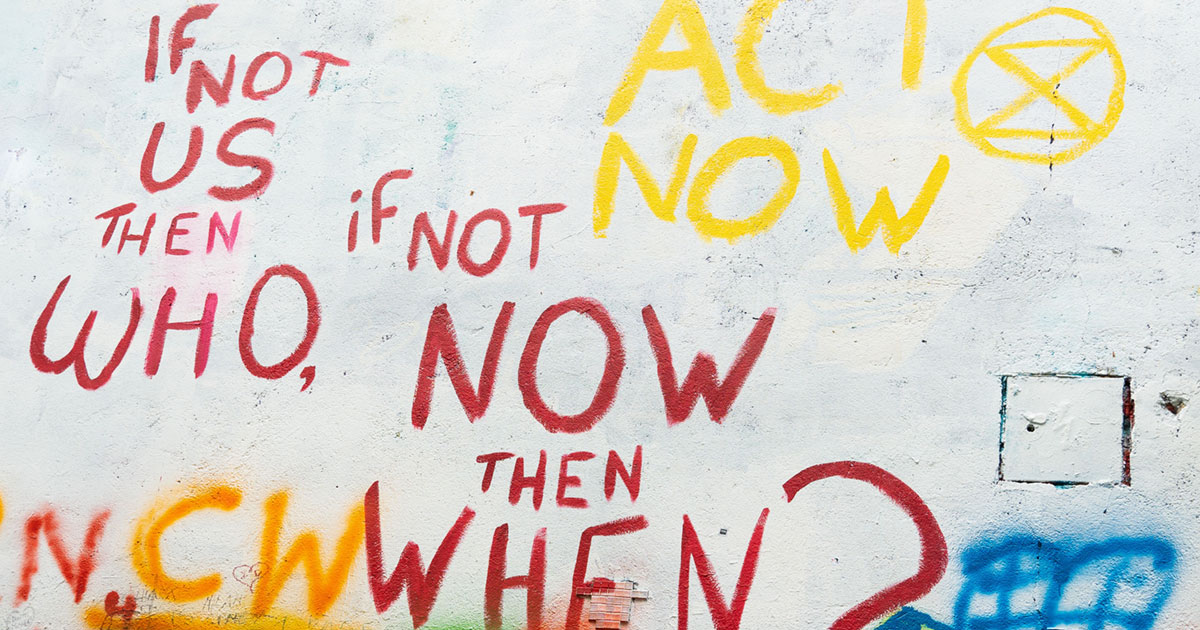
- Equity and the environment: The excellent Environmental Funders Network (opens in a new tab) spoke about the urgency of the climate crisis. While it affects us all, there is no doubt that the most marginalised in society are at greatest risk. A growing number of funders are recognising the threat it poses to every charitable aim and that inequalities will only be embedded further if we don’t take action now. Climate risks are especially pertinent to the National Emergencies Trust’s work as climate-related major flooding events are set to feature highly in future responses.
- Committing to climate change action: Various ways to support positive climate action were highlighted across the two week Festival and included broadening out grant criteria to acknowledge the link between social change and climate change, developing new climate related funding programmes and considering sign up to the Funder Commitment on Climate Change.
- Data and DEI: The DEI data group (opens in a new tab) provided valuable insights into how effective frameworks for capturing EDI data can address structural inequalities. The group aims to improve data collection of grants led by, or targeting and supporting groups experiencing structural inequity and shared learnings on their DEI data standard framework:
- The data is about capturing equity rather than diversity, where equity looks at categories of groups experiencing social inequity due to a lack of funding.
- They discussed that using the correct language and ensuring the language used is relevant to the context e.g. contested use of the term ‘BAME’
- They noted how data and categorising groups is reductive in nature so it is important to support quantitative data like this with qualitative case studies.
- Being a fair funder: The Mayor of London’s Sports Unites Fund shared how it is overcoming key challenges in equitable grant-making to ensure the best organisations receive funding, regardless of size or charity status. Advice included establishing proportionate due-diligence based on organisation and grant sizes, creating funding in different pots, making grants flexible through rolling application processes; and more accessible and compassionate application processes, with grant panels that have mixed expertise including lived experience.
Collaboration with the wider sector and embracing a culture of continuous learning has been key to our impact as a charity so far. Our first fundraising appeal in response to the Covid-19 pandemic raised almost £100m and supported more than 14,000 community groups and grassroots charities across the UK to address both short and longer term needs.
None of that would have been possible without the support of and insight from our incredible charity partners and insight from both our Equity Scrutiny Group and Survivors Advisory Forum.
Last week’s event was a timely opportunity to learn from incredible charity sector peers once again. We look forward to taking the insights and ideas we have gleaned forward as we prepare for the next national emergency.