
 Ready Together
Not all wounds are visible: PTSD and the impact of disasters
News and blogsPTSD is a hidden impact of disasters. Learn how it affects survivors and why mental health support is vital.
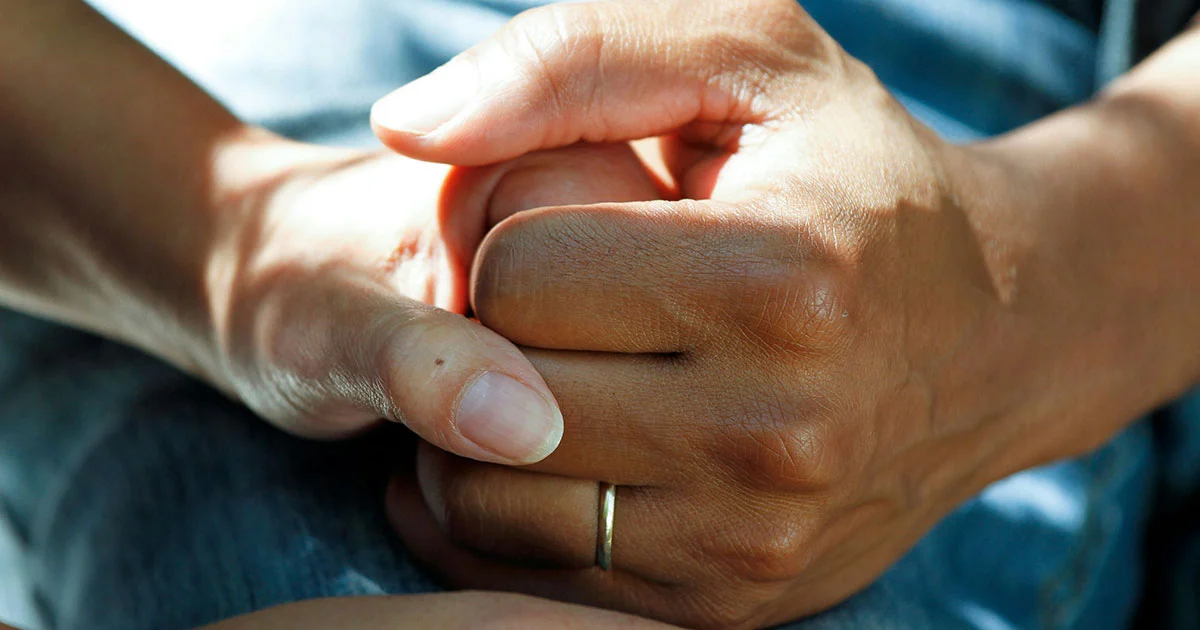
While the physical devastation of disasters is often visible: collapsed buildings, flooded homes, physical injuries. What’s harder to see and often harder to address are the emotional and psychological wounds that manifest long after the event is over. Post-Traumatic Stress Disorder (PTSD) is one of the most overlooked impacts of disasters. It doesn’t just affect those directly impacted by emergencies, it touches families, first responders, and whole communities.
PTSD Awareness Day (27 June) serves as an important reminder to recognise and support those living with it and ensure they’re not facing it alone.
What is PTSD?
Post-Traumatic Stress Disorder is a mental health condition that can develop after a person experiences or witnesses a traumatic event. These events can include natural disasters, floods, terror attacks, accidents, conflict, or violence. PTSD is a natural human response to extremely distressing circumstances.
- Flashbacks or intrusive memories
- Nightmares and sleep disturbances
- Hypervigilance or being easily startled
- Emotional numbness or avoidance
- Anxiety, irritability, and difficulty concentrating
Not everyone who experiences trauma will develop PTSD, but for those who do, the effects can significantly impact their day to day life.
Learning from lived experience and creating change
At the Trust, lived experience is at the heart of everything we do from shaping our policies, guiding our partnerships, and informing how we respond to crises. We actively listen to those who’ve been through disaster events to better understand and meet the complex mental health needs of survivors, both in the immediate aftermath and over the long term. Our Mental Health Advisory Panel, made up of leading experts, also plays a vital role in helping us prepare for and respond to future disasters with care and insight.
Initiatives like Bee The Difference are already driving meaningful change. The findings have influenced not only our own funding approach, but also Government plans (opens in a new tab) to better support survivors of terrorism including children and young people. Meanwhile, our latest research project, Stories After The Storms, is focused on improving support for people affected by flooding, ensuring they receive the best possible care.
We also recognise the toll on first responders and volunteers, those who work tirelessly on the frontlines. Often, they carry the weight of the trauma they witness, while suppressing their own emotional needs.
To learn more about the experiences of those affected by disasters, explore our survivor stories page, a collection of powerful, personal accounts from individuals whose lives have been profoundly changed, sharing their journeys through trauma, resilience, and recovery.
Why awareness matters
Raising awareness about PTSD helps break down stigma. When we talk openly about the mental health impacts of disasters, we validate people’s experiences and encourage them to seek help. It also reminds policymakers and communities that mental health support must be a core part of disaster recovery.
How you can help
- Listen without judgment to someone sharing their story.
- Support organisations that provide trauma recovery services.
- Advocate for mental health funding in disaster recovery plans.
- Learn the signs of PTSD and encourage others to seek help early.
- Share survivor stories to foster empathy and understanding.
Your support helps us helps us create lasting change for people affected by disasters. Find out how you can make a difference by supporting our work.