
 Ready Together
Navigating the rising waters: understanding and preparing for flooding in the UK
News and blogsA delve into the risk of flooding in the UK, exploring its causes, consequences, and why supporting organisations like the National Emergencies Trust is crucial
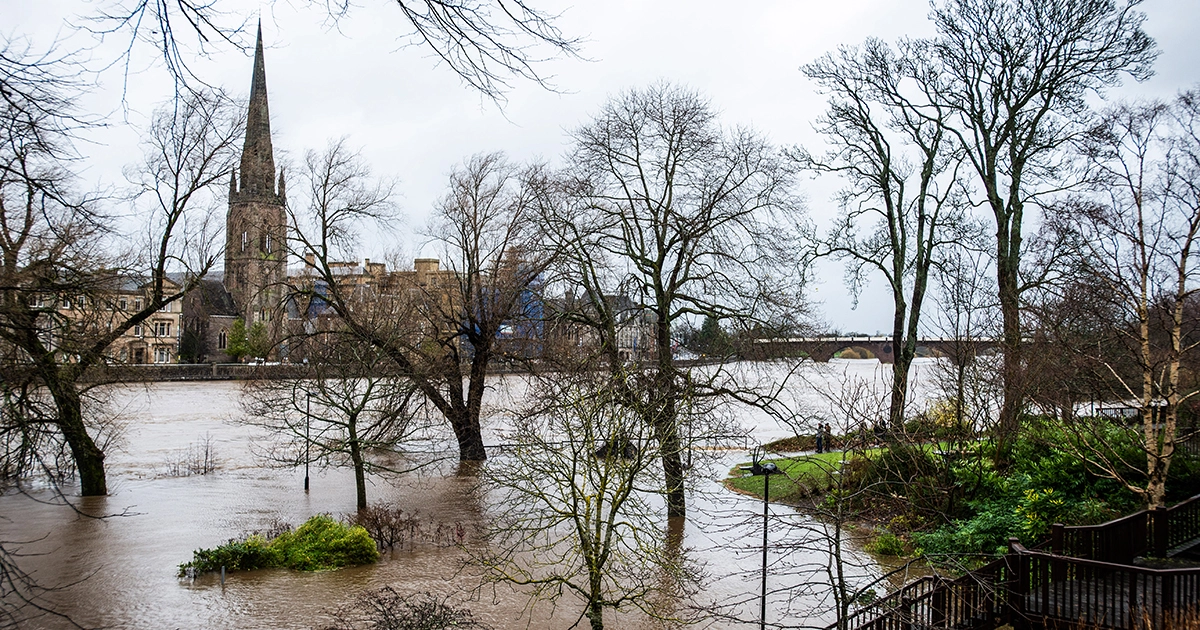
The United Kingdom is renowned for its picturesque landscapes, rolling hills, and vibrant cities. Yet, beneath this picturesque exterior lies a hidden threat - the ever-present risk of flooding. Over the past weekend Scotland has seen over a months' worth of rain fall (opens in a new tab), causing significant damage to homes and roads across the country and severe disruption to transport links. Flooding remains one of the most prevalent and impactful natural disasters in the country, affecting countless lives each year and it's essential to comprehend the why, how, and what of this recurring crisis. We’ll delve into the risk of flooding in the UK, exploring its causes, consequences, and why supporting organisations like the National Emergencies Trust is crucial.
Over 5 million properties (PDF, 1.6MB) (opens in a new tab) in England alone are at risk of flooding
The UK is no stranger to rainfall as we all know, often dampening days we just want to be down the pub. With an average annual rainfall of up to 1,400 millimetres (opens in a new tab), it's among the wettest countries in Europe. This abundance of rainfall, coupled with other factors, such as climate and extensive river systems contributes to the risk of flooding. Some regions of the UK are more at risk than others this is due to them being surrounded by the sea, river surface water and groundwater. The ever-changing climate is exacerbating the risk of floods in the UK. Extreme weather events, such as heavy rainfall and storms, are becoming more frequent, increasing the likelihood of flooding.
- Financial impact: The economic cost of flooding in the UK is substantial. On average, annual flood damage and management is estimated at around £2.2 billion (PDF, 795KB) (opens in a new tab).
- Human impact: Flooding poses a significant threat to life and well-being. It can lead to displacement, injury, and, tragically, loss of life. In recent years, we've seen devastating flooding events that have affected communities across the nation. Just last year, according to Home Office data, floods in Yorkshire resulted in 14 fatalities and several hospitalisations.
Why do floods happen?
Flooding occurs due to a complex interplay of natural and human factors. Heavy rainfall is a major cause of flooding as it saturates the ground, resulting in surface water flooding. Additionally, rivers can overflow their banks during heavy rain, leading to riverine flooding. Coastal flooding is another concern in the UK due to storm surges and high tides along the extensive coastline. Urbanisation exacerbates the risk of flooding as urban development increases surface runoff, making urban areas more susceptible to flash floods. Furthermore, climate change plays a significant role as rising global temperatures contribute to more intense rainfall events, further elevating the risk of flooding.
The impact of flooding
The repercussions of flooding are profound and far-reaching. Beyond the immediate danger to human life, it leaves a trail of destruction in its wake. Floods can wreak havoc on both property and people's lives. The damage caused by floodwaters can be extensive, resulting in financial losses for homeowners and businesses alike. Beyond the physical destruction, the emotional toll of flooding should not be underestimated. It can be a traumatic experience that leaves lasting scars on those affected, impacting their mental well-being. Additionally, floods often force people to evacuate their homes, leading to temporary or even long-term displacement. The destruction doesn't stop there; floods can also cause severe damage to infrastructure, disrupting daily life by affecting roads, bridges, and utilities. Furthermore, the health risks associated with floodwaters cannot be ignored. Contamination can lead to waterborne diseases and pathogens, posing a threat to the well-being of individuals, communities and animals.
Being prepared for flooding
The National Emergencies Trust is here to help communities across the UK should the worst happen, but in the meantime, preparedness is the key to reducing the impact of a flooding.
- Stay informed: Keep abreast of weather forecasts and flood alerts. The Environment Agency (opens in a new tab) and the Met Office (opens in a new tab) provide timely information.
- Create an emergency kit: Assemble an emergency kit that includes essentials such as non - perishable food, water, first - aid supplies, flashlights, and a battery - operated radio.
- Develop a family emergencies plan: Plan with your family or household members what to do in case of flooding.Establish a meeting point and communication plan.
- Flood insurance: Consider getting flood insurance to protect your property and belongings.
- Protect your home: Take preventive measures such as installing flood barriers, elevating electrical systems, and sealing walls and floors.
- Community engagement: Get involved in your community's flood preparedness efforts. Participate in local initiatives and support organisations like National Emergencies Trust that are working to be there for the country when disaster strikes.
National Emergencies Trust plays a pivotal role in disaster response and recovery efforts. We provide vital support to communities affected by flooding and other emergencies, offering financial aid, resources, and expertise to help them recover and rebuild their lives. By supporting us, you contribute to our ability to respond swiftly and effectively when disaster strikes.
The risk of flooding in the UK is a challenge we must collectively address. Flooding can happen anywhere and at any time, making it crucial to stay informed, have a plan, and support organisations like National Emergencies Trust in our mission to assist communities during times of crisis. Together, we can build resilience and ensure that when the waters rise, our communities are prepared, supported, and able to recover.