
 Ready Together
“In just a couple of months’ time, the UK will mark the 20th anniversary of the July 7 2005 bombings in London. A day that turned my world, and my family’s worlds, upside down. As it did for so many others…while my story is unique, many of the challenges I have experienced are not.”
UK Resilience Academy launches to champion a 'whole of society' approach to resilience
News and blogsTrustee, Thelma Stober speaks at the launch of the UK Resilience Academy which offers a training programme to improve disaster response. Read more
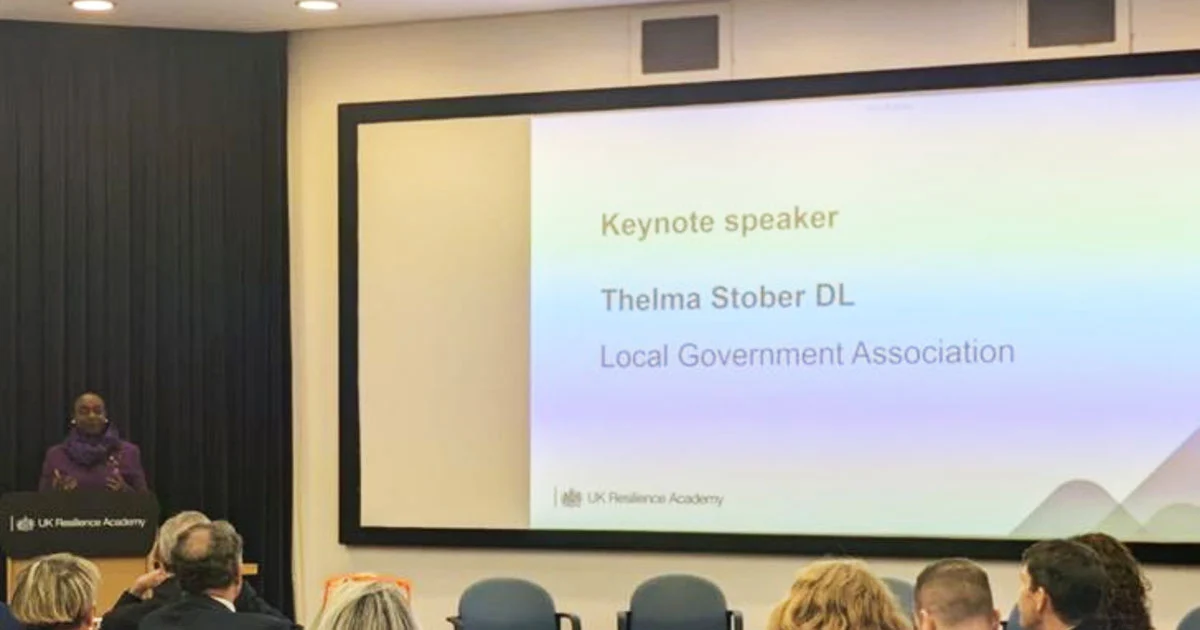
This week marked a step forward in the UK’s ability to respond to emergencies, with the official launch of the UK Resilience Academy (opens in a new tab) (UKRA). The Academy will provide learning and development opportunities to enhance resilience across all corners of society—from central and local government to charities, community groups and businesses.
The UKRA’s mission is to make resilience a 'whole of society' effort. By offering training, crisis exercises and opportunities for cross-sector collaboration, the UKRA aims to equip resilience professionals from both the public and private sectors with the skills and insights they need to face crises with confidence and compassion.
Speaking at the launch, Thelma Stober, trustee of the National Emergencies Trust - also a survivor of the 7 July London bombings - shared a personal account of how lived experience must shape the way we prepare for and respond to future emergencies.
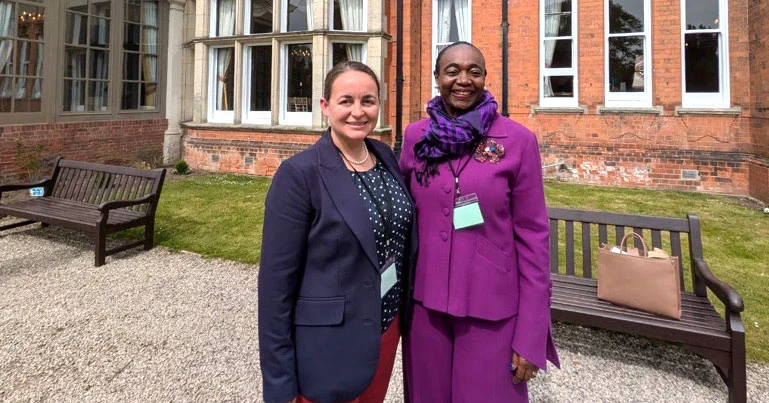 Trustee Thelma Stober and CEO Mhairi Sharp at the UK Resilience Academy
Her message was clear: those who have lived through disasters hold vital insights that can help us build better systems, frameworks and support services. Thelma called for action on three key fronts:
- Better collaboration frameworks that bring together diverse stakeholders quickly and effectively
- Robust training and exercises to prepare those on the frontlines
- Community-level support structures that reflect the powerful local responses seen during the pandemic
Crucially, Thelma stressed that survivor voices must be central to this work. Drawing on the work of the Trust’s Survivors Advisory Panel, she shared how practical insights from survivors have already improved responses, from the design of emergency funding systems to the development of trauma-informed support.
A key project like Bee The Difference, a ground-breaking study co-designed by young Manchester Arena attack survivors, has informed new government recommendations for supporting young people impacted by terrorism.
“My hope is that the UK Resilience Academy can bring the right voices together, to join the right dots. So that in the future, a joined-up approach happens by intent - not by chance.”
The UK Resilience Academy is here not only to train and prepare but to listen, to learn, and to lead with empathy, putting the voice of survivors at the heart of its strategy. It’s important that together we build a future where resilience is more than just a system or a plan, it’s a shared commitment to compassion, collaboration, and continuous progress.