
 Ready Together
Wildfires in the UK: understanding the growing risk
News and blogsExplore the growing threat of wildfires in the UK, including the causes, consequences and how you can help to prevent them.
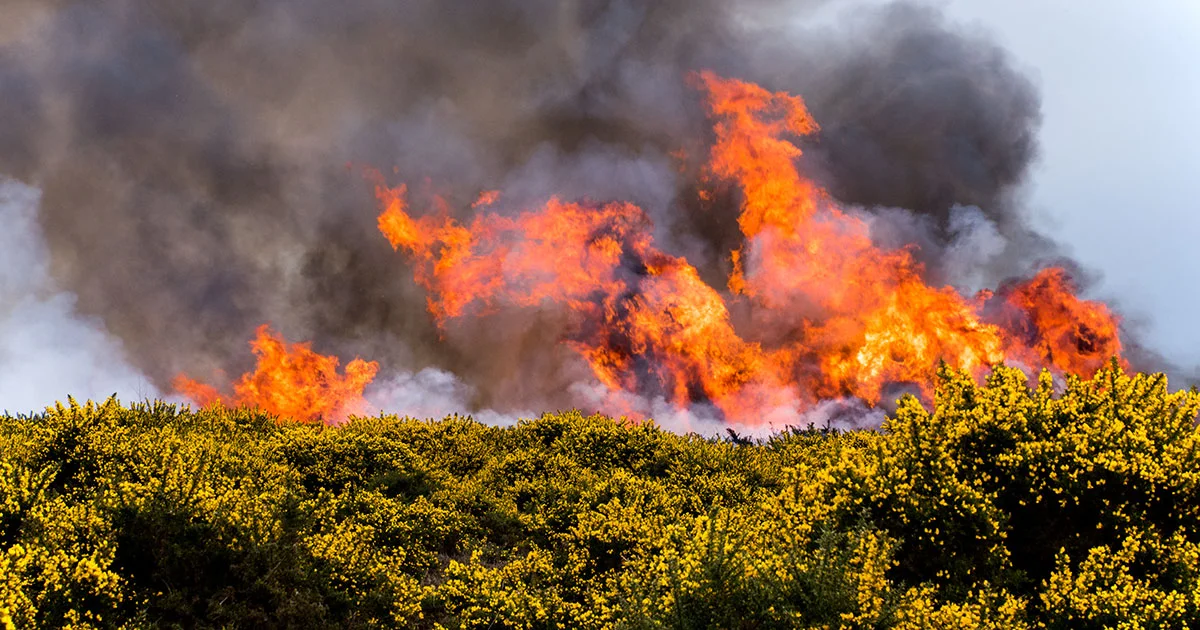
Wildfires can pose a significant threat to the environment and communities. While countries like Australia and United States have seen devastating wildfires on a large scale, it is rare to associate the UK with such a natural disaster. However, the reality is that wildfires have been quietly plaguing several parts of the UK, posing a growing threat to wildlife, ecosystems, and human lives.
The threat of wildfires has been on the rise in recent years as climate change is altering the landscape.Rising temperatures, prolonged dry spells, and changes in vegetation patterns are creating conditions conducive to wildfires.While not as frequent as in some other parts of the world, the UK has experienced several significant wildfire incidents in recent years.
For example, the heatwaves in summer 2022, when temperatures rose above 40 degrees, led to 20 houses being destroyed in a large grassfire in Wennington, east London on 19th July. It was one of 24,316 wildfires in England between June and August 2022 (opens in a new tab), a four-fold increase in the same period from the previous year.
What causes wildfires?
Climate Change: Increasing temperatures and changes in precipitation patterns make the UK more susceptible to wildfires. Dry and hot weather during the summer months can lead to dried-out vegetation, providing ample fuel for fires. Human-induced climate change is causing more frequent, intense and prolonged periods of heatwaves and drier weather.
According to scientists at the Met Office and the UK Centre for Ecology & Hydrology (opens in a new tab), there is projected to be a rise in wildfires globally by 14 per cent by 2030, 30 per cent by 2050 and 50 per cent by 2100.
Human Activity: Hotter weather alone cannot cause wildfires. It depends on fuel, weather conditions and an ignition source, like lightning or human action. Many wildfires are sparked by human activities, including discarded cigarettes, campfires, and even arson. Unintentional acts of negligence can have devastating consequences.
Vegetation: The type and condition of vegetation in an area can significantly impact the risk of wildfires. Areas with heather, gorse, and peat are particularly susceptible due to their flammable nature.
What are the impacts?
Environmental consequences: The threat to the UK's wildlife and ecosystems cannot be understated. Wildfires can devastate ecosystems, destroy habitats, disrupt natural cycles and have long-lasting effects on biodiversity. Native plants and wildlife can struggle to recover in the aftermath.
Risk to human lives: Smoke and air pollution from wildfires can pose serious health risks, especially for children, the elderly, and those with respiratory conditions.
Economic costs: Fighting wildfires and repairing the damage they cause can be expensive. It can strain resources at both the local and national levels. Homes located near wildfire-prone areas face a constant threat, requiring vigilance and preparedness from residents. Furthermore, the risks to firefighters battling these unpredictable and fast-moving blazes are substantial, often requiring them to work in hazardous conditions with limited resources.
Prevention and Preparedness
Raising awareness of the dangers of wildfires and encouraging responsible behaviour could help lower the risk of wildfires. During hot spells of weather in particular, it is important that we avoid activities that could spark a blaze. For example, ensure you pick up your rubbish including any glass in direct sunlight, avoid campfires and barbeques in the countryside and avoid having bonfires during very dry weather. It’s also vital that any potential risks are reported quickly.
The London Fire Brigade (opens in a new tab) has some helpful tips on how you can stay safe and help prevent wildfires. You can also check for weather warnings and the current risk of fire in your area, if you live in England or Wales using the Met Office’s Fire Severity Index (opens in a new tab).