
 Ready Together
Our projects cover support for children and young people after terror attacks, and support for people after flooding.
Survivor consultation
Before the National Emergencies Trust launched as a charity, our Survivor Consultation worked with more than 100 people who had lived through emergencies. Survivor consultation still guides our work today.
We listen to people affected by past emergencies and find the lessons that improve care and support. We share those lessons with policymakers, academics, charities and businesses, so support improves at every stage of recovery.
We work with a network of survivors, including members of our Survivors Advisory Panel. Their experience spans emergencies going back to Aberfan in 1966. They help us decide which projects to take on.
Changing the law
We campaigned for two changes to national legislation, and won both.
We worked with the Ministry of Justice to amend the Civil Legal Aid (Financial Resources and Payment for Services) Regulations. Taking an emergency grant from us no longer affects someone's eligibility for civil legal aid. The same applies to grants from partner funds such as the London Emergencies Trust and the We Love Manchester Fund.
We worked with the Department for Work and Pensions to amend the Social Security (Income and Capital) Regulations. Charitable support we give is now disregarded when someone's entitlement to state benefits is assessed.
Survivors can take the help they need without losing the benefits or legal aid they depend on.
Bee The Difference
Bee The Difference is a research project created with nine young people affected by the 2017 Manchester Arena attack. Researchers from Lancaster University and our team worked alongside them.
More than 200 young people took part in the online survey. All were under 18 at the time of the attack. They told us what helped and what did not.
The report, published in May 2023, sets out six ways the UK could improve support for young people affected by terror attacks. Its findings have shaped our work and influenced government and charity projects here and abroad.
'This report makes clear that young people who have experienced the trauma of terrorism have needs unique to their age.'
Bee The Difference
Nine young survivors of the Manchester Arena attack set out six ways the UK could support young people better after a terror attack.
Stories After The Storms
Stories After The Storms is a research project with Lancaster University, co-designed with people who have been flooded. More than 100 flood survivors took part, through an online survey and one-to-one interviews.
They told us where support failed. Nearly half received no professional help with their practical or wellbeing needs. Two thirds said their finances were hit. Almost seven in ten said their mental health was affected, and only a third of those received any support for it. (Stories After The Storms, National Emergencies Trust and Lancaster University, 2026)
The report sets out five ways support could improve. Survivors want clear information in the first hours, and emergency cash that arrives fast. They want recovery systems that work for older people, disabled people and households on low incomes. They want mental health care built into recovery from the start. And they want the community groups that step in first to be properly resourced.
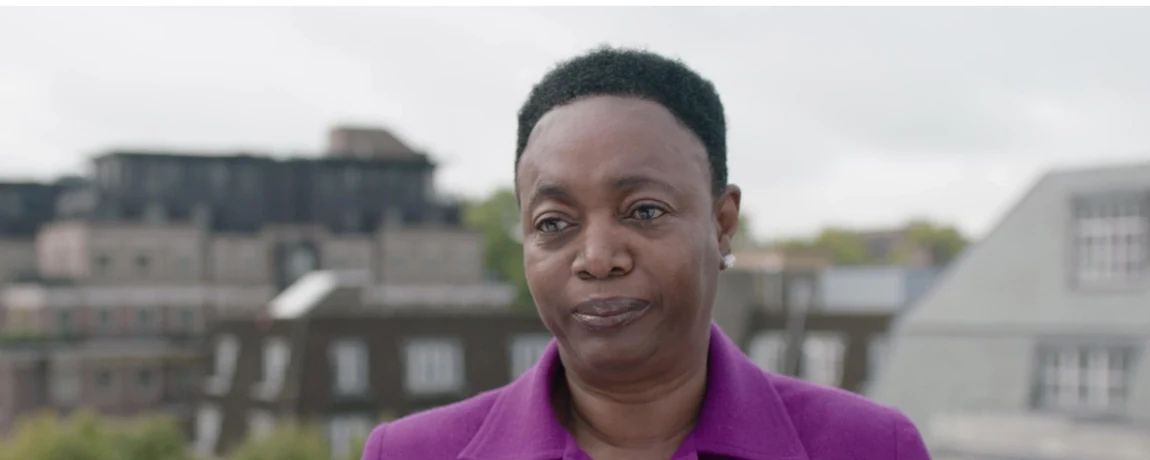
'Our research aims to build on this by shedding light on the support people like me receive when our lives are devastated by flooding, and how it can be improved.'
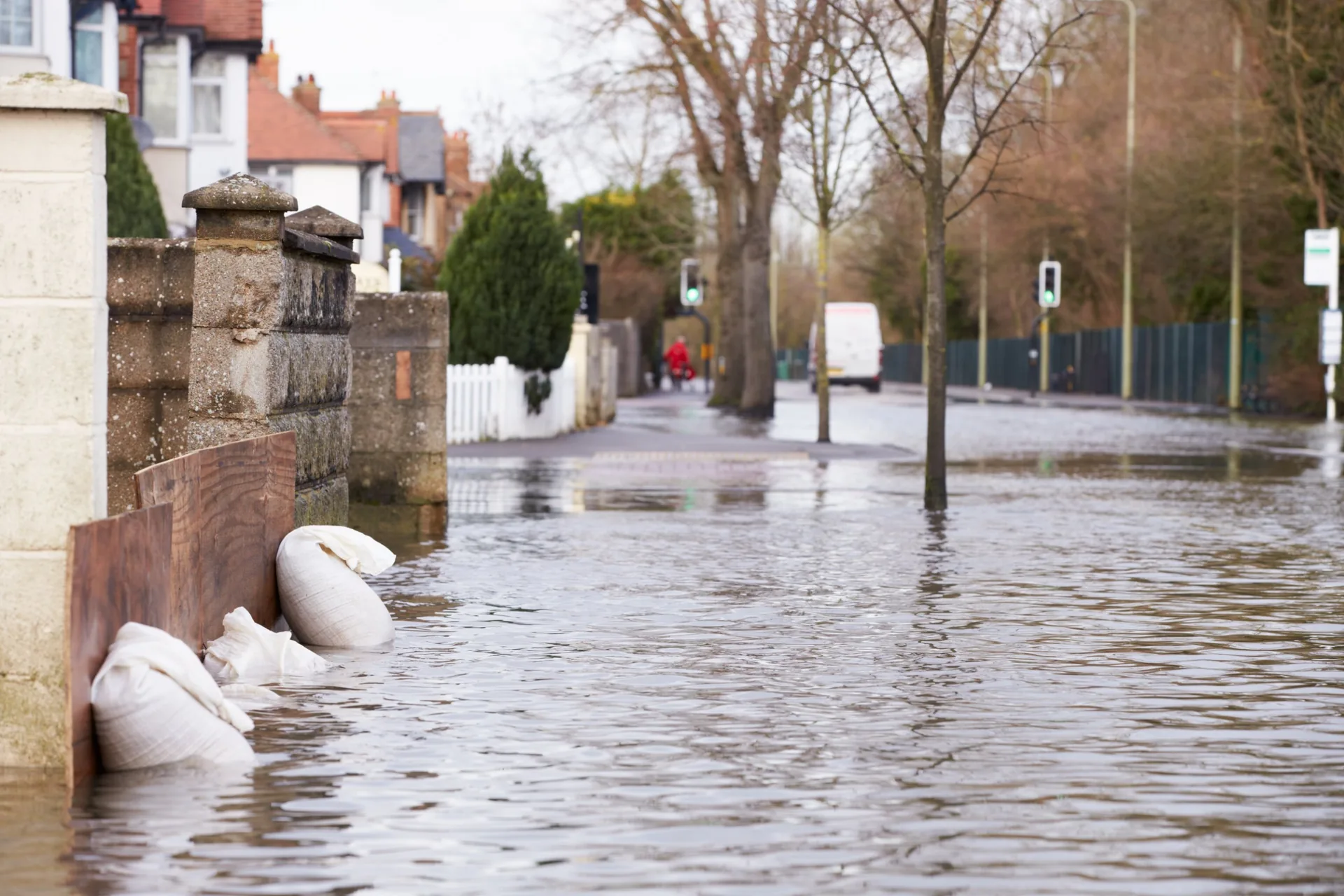
Stories After The Storms
More than 100 flood survivors told us what helped and what did not. Their answers set out five ways support could reach people faster.